We built Aigora to help life sciences and medtech teams find the right data for their specific research and technology needs.
Aigora spun out of Ludwig Maximilian University of Munich (LMU) in 2019, initially as a healthcare technology venture focused on developing AI-based diagnostic decision-support tools. Building on this experience, the founders recognised a market need for a dedicated partner to support life sciences and medtech companies navigate the complexities of real-world data sourcing and curation.
Today, we manage everything from data discovery and sourcing to bespoke curation, multimodal integration, and the delivery of fit-for-purpose real-world datasets — enabling researchers to focus on what matters most: advancing scientific discovery and healthcare innovation.

Explore our work, insights, and latest updates.
Whether you’re looking for real-world data, interested in contributing healthcare data, or would like to discuss something else, please reach out.
We discover, source, curate, and deliver multimodal, transferable, regulatory-grade real-world datasets. Where suitable data does not yet exist, we design prospective pathways to create it.
Our datasets are tailored to support translational research, clinical development, real-world evidence generation, AI model development and validation, and other precision medicine applications.
Advanced precision medicine R&D rarely relies on a single data modality. Wetherefore integrate imaging, pathology, clinical data, and biomarker results at thepatient level into comprehensive multimodal research datasets.

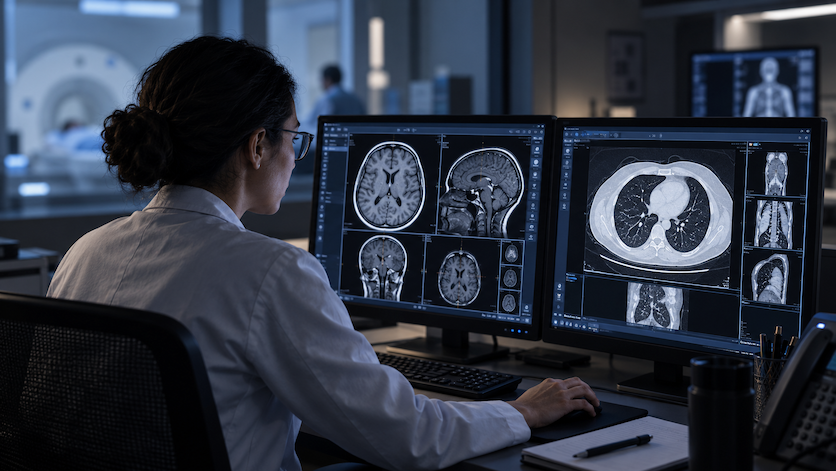
Medical imaging data across multiple modalities and clinical specialties, with associated reports and linked metadata.
.png)
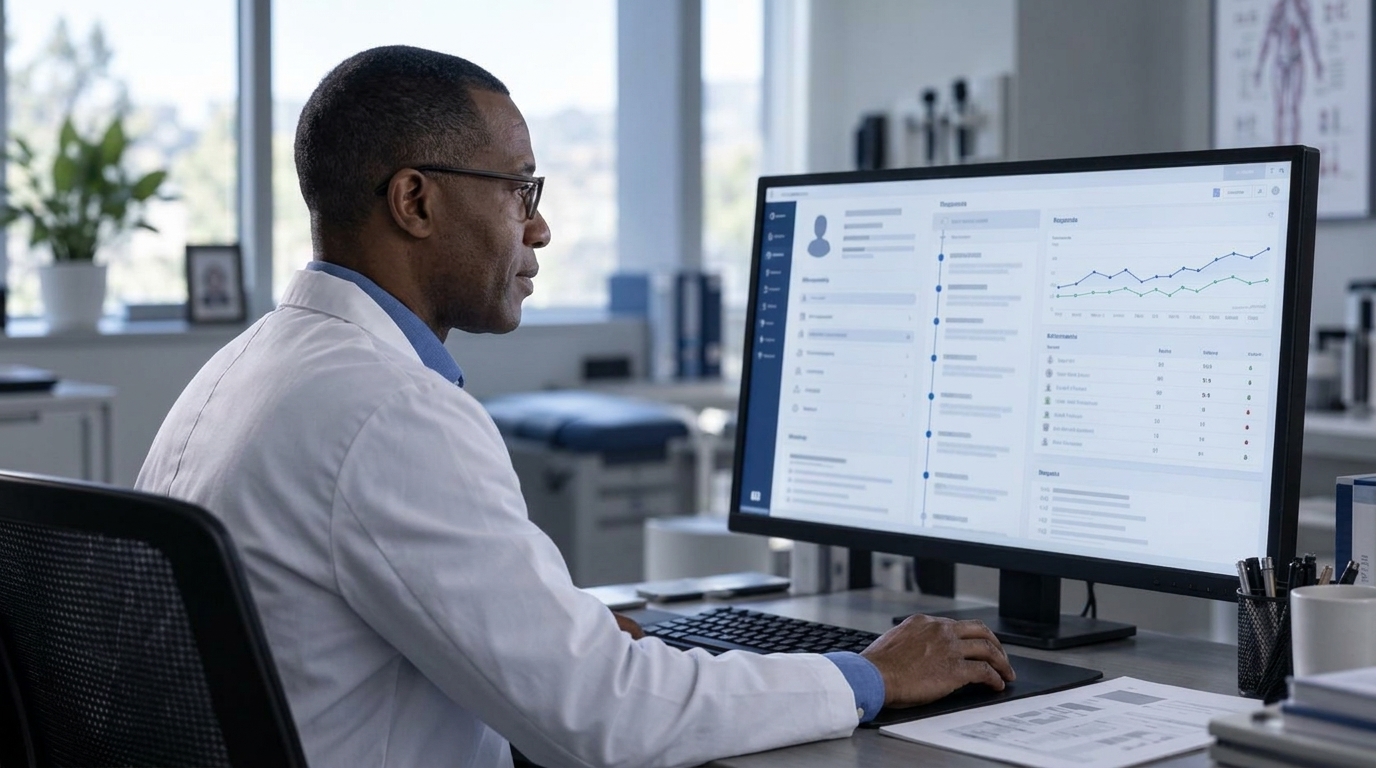
Structured and unstructured patient-level data, including demographics, diagnoses, procedures, medications, clinical notes, and outcomes.

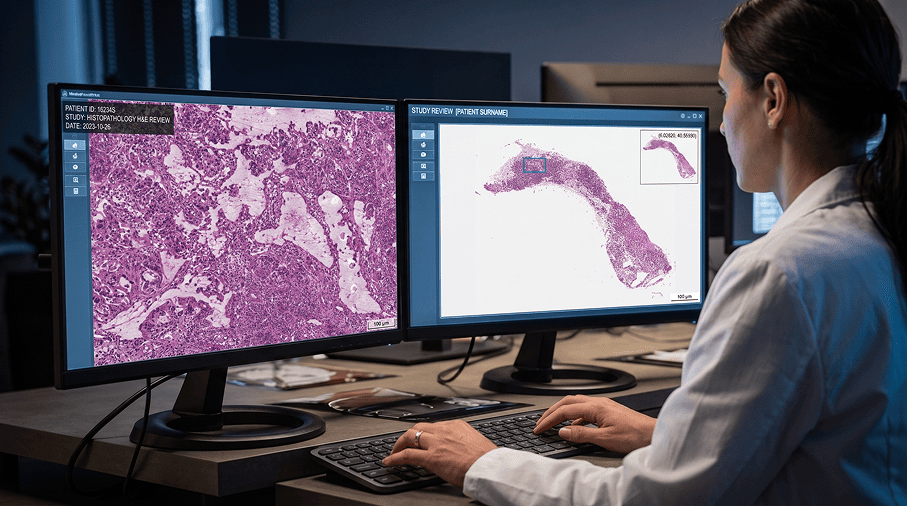
Digital pathology images derived from biopsies, resections, and other specimen types, with associated metadata.

Specimen-level diagnostic information, including pathology findings, diagnostic classifications, specimen characteristics, and organ site details.

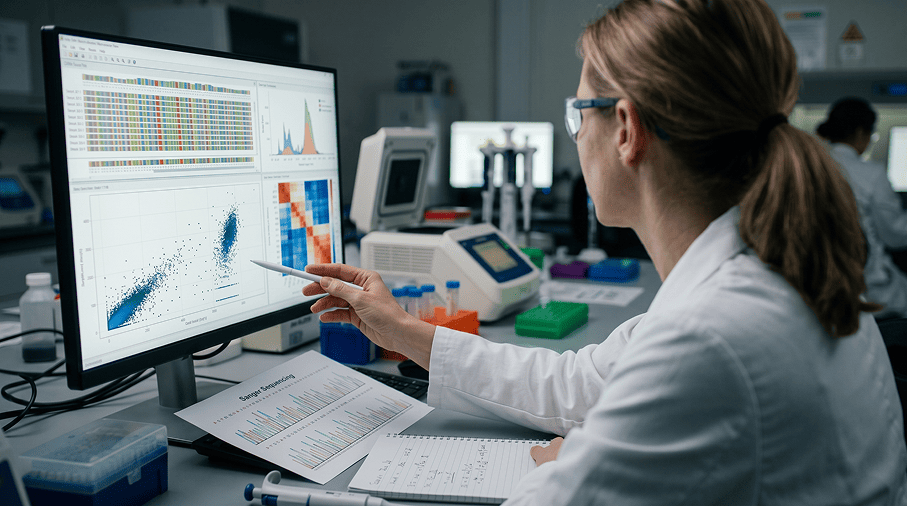
Molecular and biomarker test results, including genomic, transcriptomic, proteomic, and cytogenetic findings.

Biological specimens fromcorresponding data subjects,including tissue, blood, plasma,and serum.