

Introduction
Data fuels innovation, and its collection is a crucial stage in any research study. In science and healthcare, it drives advancements in preventative care, diagnostics, biomarker discovery, and numerous other areas.
The value of datasets lies not only in their quality and quantity but, more importantly, in the alignment between the dataset and its intended use. Retrospective datasets may lack the depth, scope, or granularity required for specific research applications, especially in less-studied disease areas or healthcare fields with rapidly evolving methodologies.
Prospective data collection can address these limitations, enabling a proactive and precise approach to gathering datasets designed to answer specific research questions.
Aigora specialises in designing and executing prospective data collection studies tailored to research and development needs.
The relevance of prospective data collection in science and healthcare
Prospective data collection offers immense opportunities to address specific research gaps. It is particularly valuable in scientific areas where existing datasets are sparse or insufficient. For instance, rare diseases and niche disorders are often underrepresented in traditional datasets. In these areas, prospective studies are becoming critical for advancing therapeutic development. Gathering focused and relevant data can provide insights into disease progression, patient outcomes, and methodologies for potential interventions.
Another key advantage of prospective data collection is the ability to control data quality and consistency. Researchers can standardise data collection methods by designing specific protocols that help to minimise variability and improve reliability. This approach is invaluable for generating high-quality datasets used for AI training, validating study outcomes, and advancing discovery science, among other applications.
Finally, prospective data collection facilitates capturing new or unique variables that are not routinely collected as part of standard care. This flexibility allows scientists to include parameters essential for their specific study objectives, such as niche biomarkers, environmental exposures, or novel clinical metrics.
The prerequisites for prospective data collection
While prospective data offers case-specific insights and addresses gaps in datasets, its collection can be challenging and resource-intensive, highlighting the importance of partnering with experienced data providers.
One of the primary prerequisites for prospective data collection is site and patient recruitment. This involves infrastructural and regulatory challenges. Selecting the right institution requires careful consideration of available resources, geographic location, and on-site expertise. Recruiting patients introduces additional complexities, such as obtaining informed consent and managing sensitive personal data while adhering to regulatory standards.
Another important prerequisite is the development of well-designed and robust study protocols, which serve as the backbone of the study, ensuring consistency in data collection across multiple sites and devices. These protocols should account for technical variations by specifying calibration procedures for equipment and providing clear guidelines for data acquisition and processing.
How can Aigora help?
Aigora offers prospective data collection by leveraging its extensive network of partner healthcare institutions. We deliver end-to-end management, including the development of study protocols, site recruitment, securing ethical approvals, and the collection of fit-for-purpose, longitudinal, and indication-specific data aligned with your study objectives.
Thanks to our network of over 300 partner healthcare institutions, Aigora can provide prospective datasets across all therapeutic areas. The following project examples highlight Aigora’s capabilities in delivering customised datasets:
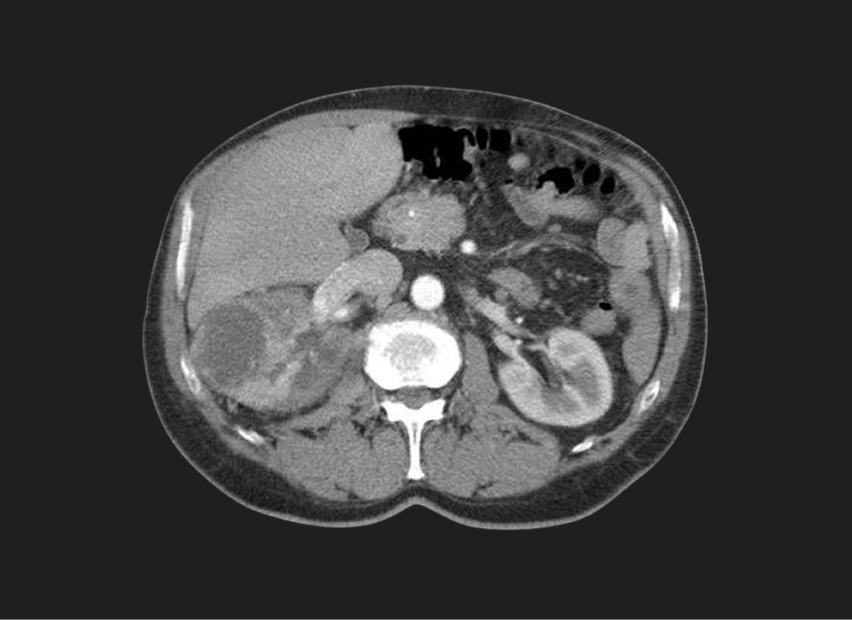
- Multi-institutional imaging data: We have prospectively collected multi-institutional, multi-device imaging data using tailored scanning protocols that ensured consistent data acquisition across multiple sites and devices. This approach introduced diversity in the dataset, enhancing its robustness and reliability for AI development and validation.
- Longitudinal data: Another example involved the collection of a longitudinal dataset combining pre-operative imaging data with details gathered during subsequent surgical procedures. The dataset supported the development of algorithms to enhance surgical decision-making.
- Non-standard of care data: Additionally, we have prospectively collected imaging data alongside supplementary information, such as bone mineral density, data typically not gathered in standard clinical practice, to address specific musculoskeletal research objectives.
- Integrated oncology data: Aigora has also supported oncology research by integrating whole slide images of cancer tissue with custom molecular biomarker data, subsequently derived from tissue analyses, to deliver comprehensive datasets designed for specific study requirements.
Final word
Prospective collection enables the creation of fit-for-purpose datasets designed around specific research questions and development needs. Through its extensive network of healthcare institutions worldwide, Aigora addresses the critical need for high-quality, application-specific datasets tailored to defined research objectives.
By proactively creating the data needed for research, Aigora helps accelerate scientific discovery, generate new insights, and advance real-world healthcare solutions.
Have a specific data need that existing datasets cannot address? Get in touch with Aigora to discuss a prospective collection tailored to your research.