

Introduction
Diversity, equity, and inclusion (DEI) are becoming critical pillars in healthcare and research. Incorporating these initiatives drives progress in multiple areas, including artificial intelligence (AI) and machine learning (ML), clinical trials, biomarker discovery, and real-world evidence (RWE). The FDA underscored the importance of DEI in its Diversity Action Plan guidelines, which promote demographic variety in clinical trials and highlight the ongoing shift towards precision medicine in the healthcare industry.
Ensuring that the scientific insights are applicable across populations is essential for reducing healthcare disparities and advancing innovation. Aigora, as a dataset provider, supports inclusive data practices by delivering diverse, multimodal real-world data (RWD), enabling representative and inclusive research and development.
The impact of diverse and multimodal data on research and healthcare
Diverse and multimodal data, aligned with the DEI principles, is transforming the landscape of research and the healthcare industries. Incorporating these practices reflects the complexity of human diversity, ensuring that advancements in AI/ML, biomarker discovery, or RWE benefit all populations.
One of the most significant impacts of such data is its ability to enhance AI and ML systems1,2. By integrating diverse and multimodal data from various sources—such as imaging, text, and time-series data—alongside clinical, genetic, and demographic information, researchers can develop algorithms that mimic the comprehensive and holistic approach used by medical professionals to make informed decisions. This integration can improve predictive accuracy, reduce biases, and foster the development of models tailored to diverse patient populations.
Another field that benefits from diverse and multimodal data is biomarker discovery3. Biomarkers provide valuable insights into disease mechanisms and progression, making them essential for medical research. Capturing the complexity and heterogeneity of diseases, particularly those like cancer that heavily rely on biomarker discovery, is crucial. Using multimodal data encompassing molecular, histopathology, radiology, and clinical records enhances the identification of both prognostic and predictive biomarkers, which cannot be achieved using single modalities alone. Incorporating data from diverse populations helps capture variations between groups, enabling the development of tailored therapies and advancing personalised medicine.
Diverse data strengthens the validity and applicability of RWE, which draws from sources such as electronic health records, patient registries, and wearable devices4. These studies provide a more complete picture of the advantages and disadvantages of treatments in clinical practice, offering valuable insights into their efficiency, cost-effectiveness, and impact on decision-making within clinical and regulatory domains5. Incorporating diverse datasets further enhances the generalisability of RWE, ensuring that findings are applicable across varied populations and healthcare settings.
Leveraging inclusiveness and various sources of available information drives innovation and accessibility. Ultimately, diverse and multimodal data help shape a more equitable and effective healthcare ecosystem.
How can Aigora help?
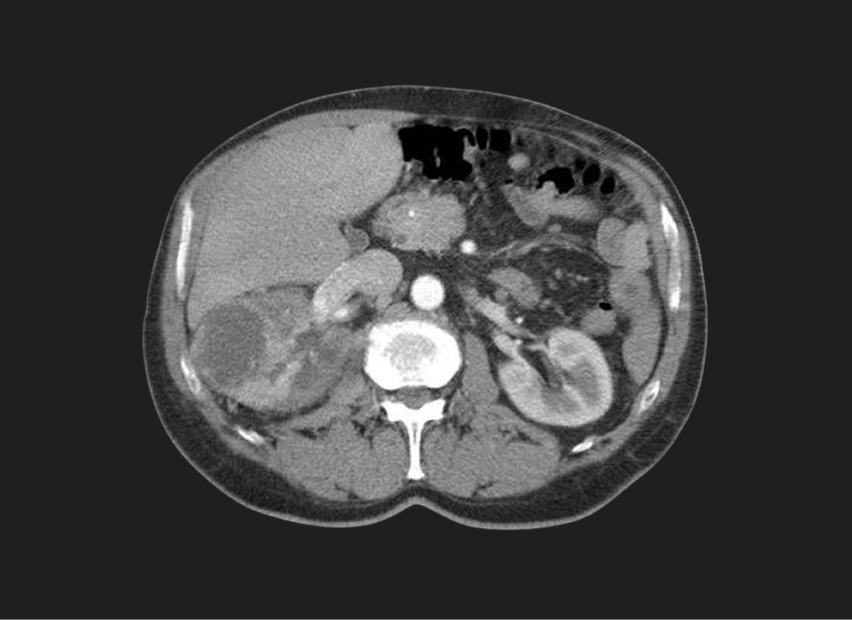
Aigora supports diversity and inclusion in research and healthcare innovation by offering access to research- and regulatory-grade multimodal data from a wide range of sources, including medical imaging, clinical records, molecular data, and pathology data. These datasets can be applied across a myriad of use cases, from training and validating AI models to retrospective and prospective research studies and optimising clinical trials. By integrating these diverse datasets, Aigora provides researchers with a comprehensive view of patient health and disease, enabling the development of data-driven and personalised healthcare solutions.
Aigora offers access to a vast collection of RWD from over 300 healthcare institutions worldwide, comprising millions of records aggregated from various sources and formats. This extensive repertoire guarantees geographically and demographically diverse datasets, ensuring that insights derived from the data are applicable to multiple regions and populations, thereby supporting equity in healthcare.
In addition to providing access to existing data, Aigora facilitates prospective data collection. This approach enables researchers and developers to gather insights that accurately reflect the diversity of the populations under study. Supported by expert-driven curation, Aigora ensures that all data is quality-controlled and harmonised, allowing scientists to confidently draw meaningful insights while maintaining inclusivity. To support the highest research standards, Aigora adheres to data protection requirements set by regulatory bodies, ensuring full compliance.
Final word
Diverse datasets support the development of more equitable and inclusive healthcare solutions. Partnering with Aigora enables access to diverse, representative datasets that help advance precision medicine and drive meaningful progress in clinical research and innovation.
Looking to build more diverse and representative datasets for your research? Reach out to Aigora to explore how we can support your data needs.