Supporting AI-driven robotic orthopedic surgery planning with prospectively collected CT imaging and clinical data

Orthopedics
Knee Replacement
Robotic Surgery
Surgical Planning
Prospective Data Collection
AI Validation
Multi-Institutional Data
Imaging Data
Clinical Data

Background

Robotic-assisted orthopedic surgery increasingly relies on preoperative imaging to optimize surgical planning and improve patient outcomes.

Complementing advances in robotic-assisted surgery, AI-driven approaches are being adopted to automate image interpretation, guide patient-specific implant selection, and enhance surgical precision1.

Many real-world datasets lack standardized links between preoperative imaging, relevant clinical variables, and procedural data, limiting the development and validation of such AI-driven surgical planning algorithms.

Objective

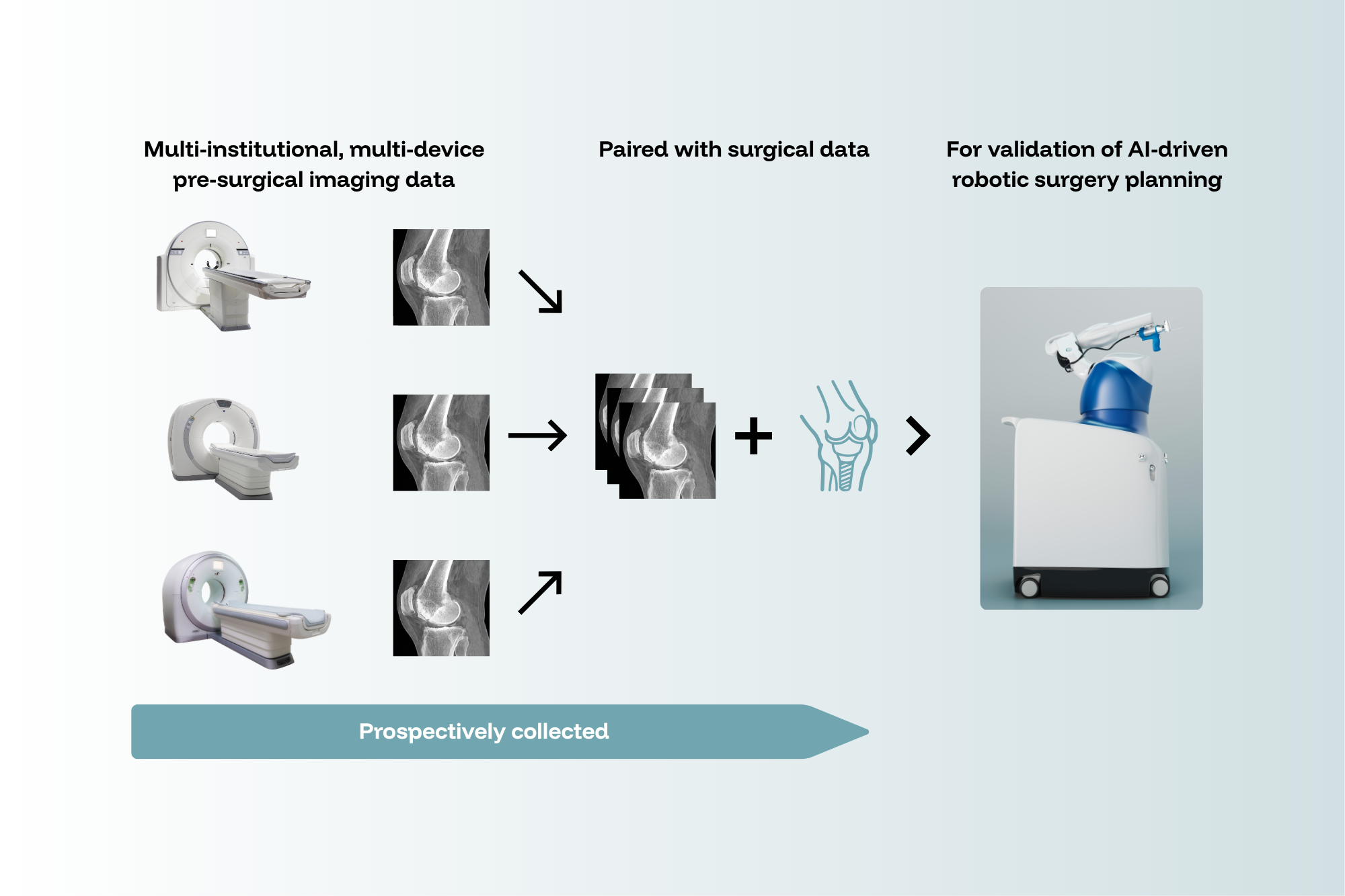
A global medtech company engaged Aigora to obtain a regulatory-grade dataset integrating preoperative imaging, clinical data, and intraoperative information to support AI-driven innovation in robotic knee surgery planning.

Delivery

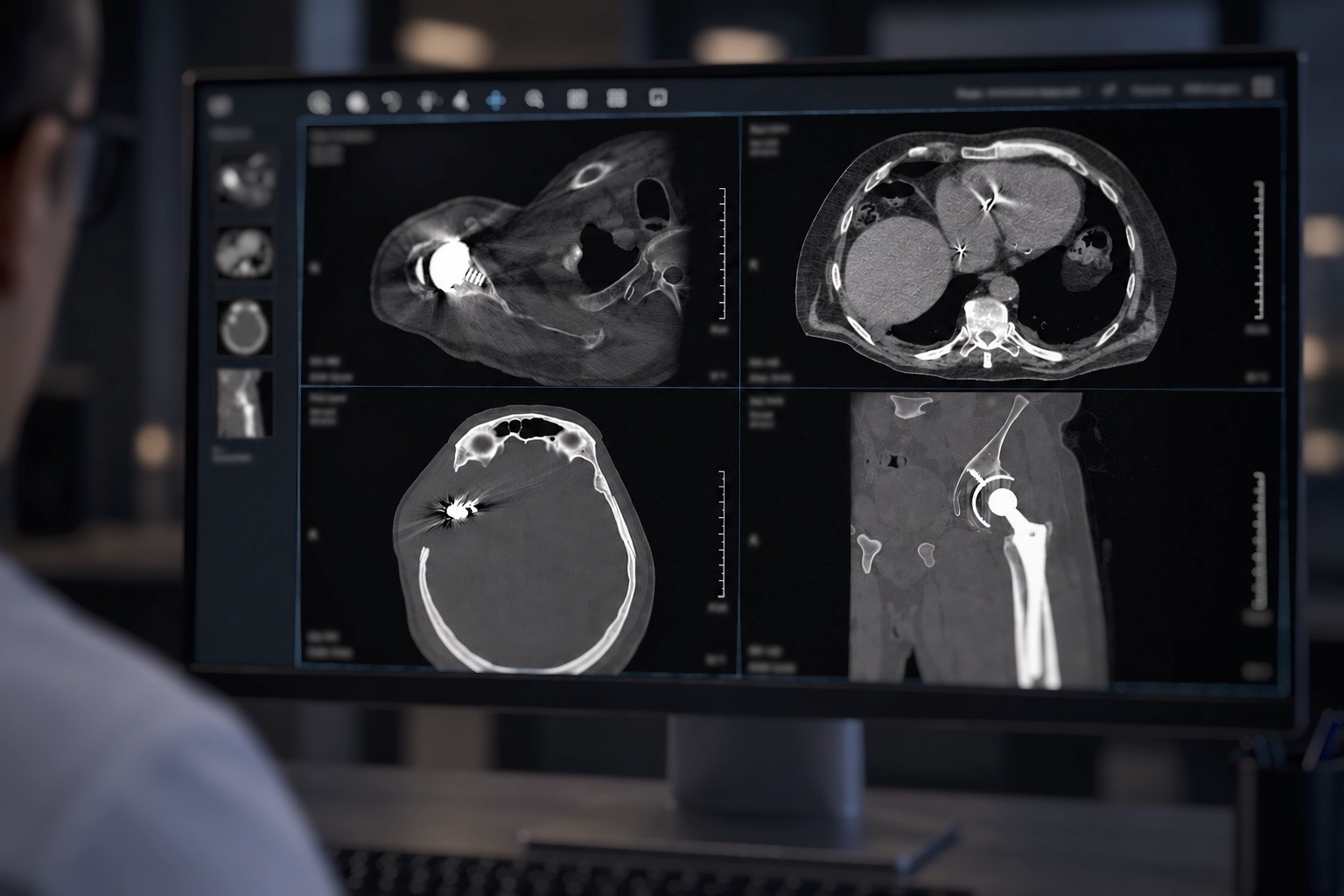
Aigora addressed this need by prospectively collecting and curating preoperative CT imaging, non-standard-of-care bone mineral density measurements, and implant information across multiple institutions and device manufacturers while adhering to customized imaging acquisition protocols.

Dataset characteristics

  • Medical imaging

    De-identified CT images with embedded bone density calibration phantom, scanner manufacturer and model

  • Clinical data

    Patient demographics, physical measurements, implant type and size

References

  1. Yang W, Gao T, Liu X, et al. Clinical application of artificial intelligence-assisted three-dimensional planning in direct anterior approach hip arthroplasty. Int Orthop. 2024;48(3):773-783. doi:10.1007/s00264-023-06029-9
Project metrics
  • Number of cases

    200
  • Number of devices

    3
  • Number of sites

    3
  • Delivery timeline

    6 months

More case studies

See all

Enabling AI-driven research in retinal diseases with longitudinal ophthalmic imaging data

Ophthalmology
Biomarker Discovery
Treatment Response Assessment
Multimodal Imaging Data
Clinical Data
Read case study